
August 12, 2026, presents an unparalleled opportunity for extreme adventure travelers. While thousands of casual observers will gather in the streets of Reykjavík, true explorers are setting their sights on the remote, wild Westfjords of Iceland.
Sitting at the absolute westernmost edge of Europe, the breathtaking Látrabjarg cliffs offer an eclipse viewing experience unlike anywhere else on the planet. This isolated peninsula boasts the longest duration of totality on the Icelandic mainland, plunging observers into an awe-inspiring two minutes and thirteen seconds of sudden daytime darkness.
Conquering this rugged landscape requires meticulous travel preparation, a resilient vehicle, and highly durable optical gear. Relying on premium safety equipment from ORRO ensures that when totality finally arrives at the edge of the world, your vision remains entirely protected against the intense celestial light.
The Dramatic Landscape of Látrabjarg
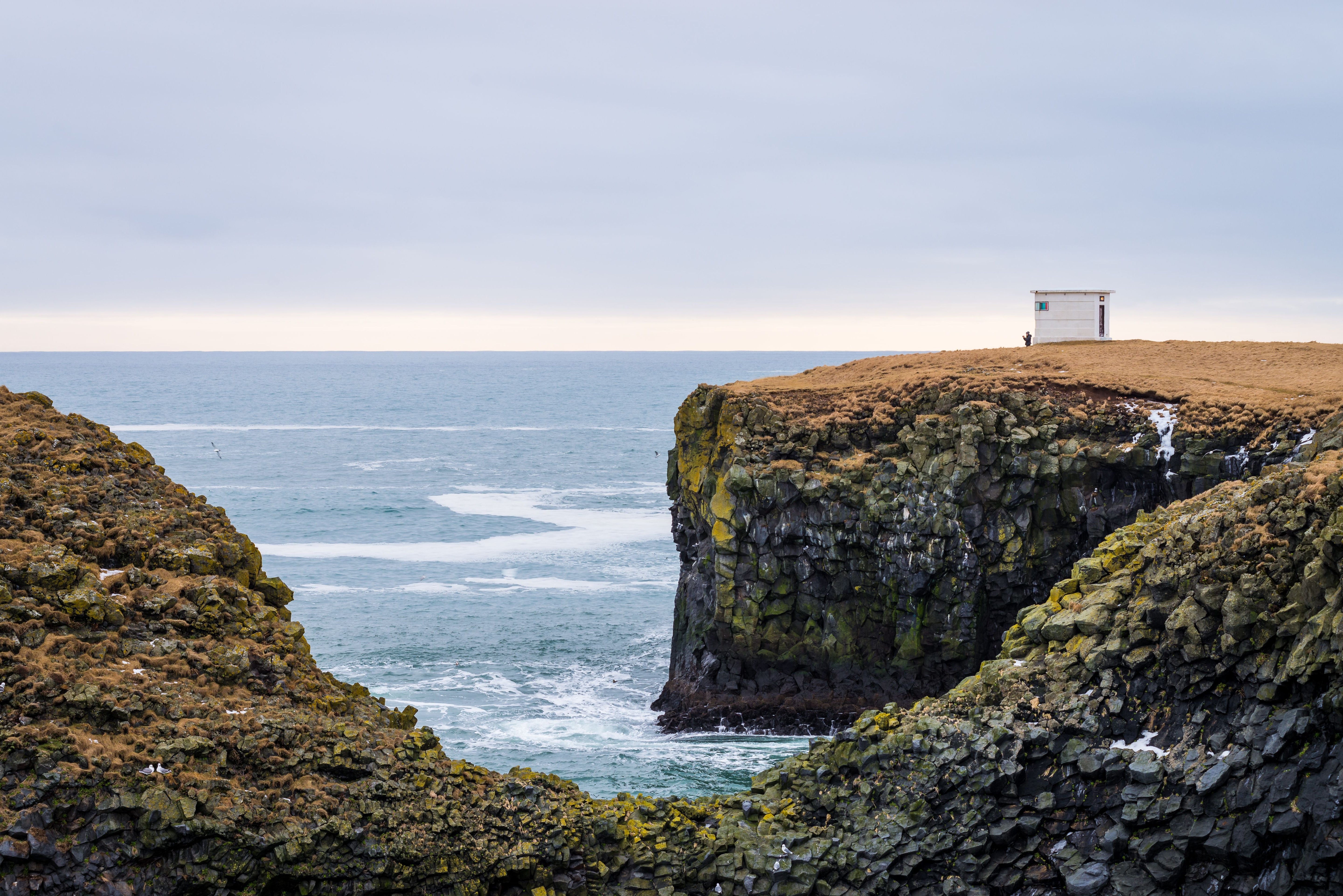
Látrabjarg is not just a strategic astronomical vantage point; it is a legendary natural wonder in its own right. These massive sea cliffs rise a staggering 440 meters straight out of the turbulent Atlantic Ocean, stretching for a massive 14 kilometers along the jagged coast.
As the moon slowly begins to obscure the sun, the dramatic shifting light will cast surreal, elongated shadows across the steep cliff faces. The sudden, unnatural drop in temperature and the arrival of midday twilight will also trigger a massive reaction from the local wildlife.
The cliffs serve as a vital summer sanctuary for millions of nesting seabirds, including Iceland's famous Atlantic puffins, razorbills, and guillemots. Watching these birds frantically return from the ocean to the cliffs as the false night descends will add a completely unforgettable, dynamic biological element to your astronomical adventure.
Navigating the Harsh, Remote Journey
Reaching this magnificent vantage point is a challenging endeavor that is certainly not for the faint of heart. The drive from Reykjavík takes approximately six to seven hours, with the final stretch consisting of steep, winding gravel roads that practically demand a 4x4 vehicle.
On August 12, local Icelandic authorities are actively expecting massive traffic congestion along these remote, narrow coastal routes. Roadway checkpoints and strict one-way traffic systems will be enforced near the Westfjords to manage the unprecedented influx of international eclipse chasers.
Because cellular service and local amenities are virtually non-existent near the cliffs, mapping your precise route beforehand is absolutely critical for a successful trip. Consult the comprehensive 2026 Eclipse Path Guide to meticulously plan your driving timeline, identify crucial refueling stops, and monitor local traffic advisories.
The Hidden Danger of the Long Partial Phases
While the two minutes and thirteen seconds of absolute totality offer safe, naked-eye viewing, getting to that spectacular moment requires immense patience. The moon takes well over an hour to slowly creep across the brilliant disk of the sun before totality begins.
During this entire partial phase, looking directly at the sun without proper, specialized filtration can cause permanent, painless retinal burns. The crisp, unpolluted air of the North Atlantic means the sun's rays are incredibly intense and unfiltered, even when the surrounding sky begins to visibly darken.
Standard hiking sunglasses, no matter how highly polarized or heavily tinted they may be, are entirely useless against this highly focused solar radiation. Only specialized optical equipment designed strictly for direct solar observation can safely block the dangerous infrared and ultraviolet wavelengths from entering your eyes.
Why Rugged Conditions Demand Rugged Eyewear
Standing 440 meters above the open ocean means exposing yourself to fierce, highly unpredictable coastal winds. When observing the sky for hours before totality, you desperately need optical gear that can physically survive the harsh Icelandic elements.
Flimsy, cheap paper eclipse glasses can easily fold, tear, or completely blow away in high winds. A scratched or physically compromised lens is not just annoying; it is incredibly dangerous, allowing invisible radiation to silently leak through and burn your retinas.
This extreme environment is exactly why smart travelers pack their premium ORRO Solar Eclipse Glasses before heading into the wild. These high-end viewers utilize heavier paper frames that stay securely on your face and strongly resist warping inside a tightly packed hiking backpack.
Furthermore, they feature incredibly dense, multi-layered lenses that actively block 100% of harmful UV and IR radiation. Because these premium viewers are rigorously EN ISO 12312-2:2015 tested, you have the absolute confidence that your vision is completely shielded to the highest international safety standards.
Equipping Adventure Tour Groups
Many specialized expedition companies and photography clubs are chartering off-road buses to navigate the difficult terrain of the Westfjords. If you are leading an adventure tour to the Látrabjarg cliffs, managing the safety of dozens of excited clients is a massive legal and ethical responsibility.
Handing out unverified, cheaply made glasses in a high-wind, high-risk environment puts the entire expedition in danger. Expedition leaders must guarantee their groups have access to premium gear that is legitimately EN ISO 12312-2:2015 tested and built to survive the outdoors.
Secure your high-performance inventory well before the global supply chain inevitably dries up in the summer months. Visit the Wholesale & Bulk Orders page to seamlessly ensure your entire expedition team is fully equipped with durable, laboratory-tested eyewear.
Protect Your Eyes at the Edge of the World
Watching the 2026 total solar eclipse from the towering seabird cliffs of Látrabjarg will undoubtedly be the crowning achievement of any Icelandic adventure. The unparalleled duration of totality and the majestic, untamed surroundings make the arduous journey entirely worthwhile.
However, true adventurers know that safety and meticulous preparation dictate the overall success of any expedition. You must fiercely protect your eyes from the intense, unfiltered solar radiation during the long, captivating partial phases leading up to the main event.
Do not trust your priceless eyesight to fragile knock-offs, and absolutely do not wait until the final week before your flight to start looking for protective gear. Secure your optical safety today so you can confidently stand at the edge of Europe and marvel at the magic of the cosmos.